

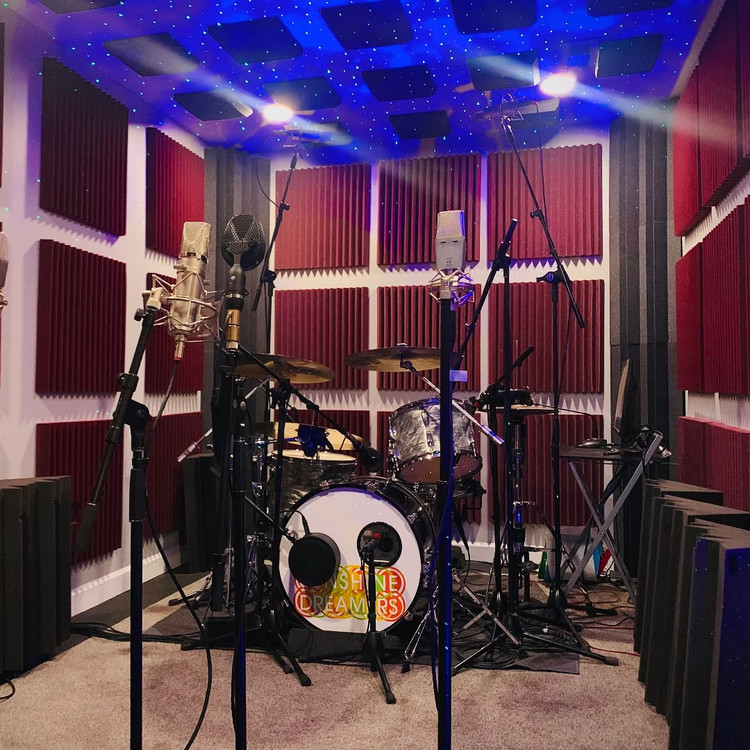
Auralex absorption and diffusion sound control solutions for drum rooms.
13th Jul 2026
Using Auralex absorption and diffusion sound control solutions in a drum room helps shape how sound behaves in the space, making recordings cleaner and the room more pleasant to play in.
Special Note – Sound Isolation is the reduction of sound transmission from one space to another. This generally requires construction materials and may involve remodeling your space. Visit https://auralex.com/sound-isolation-overview/ for more info about how to “soundproof” your space.
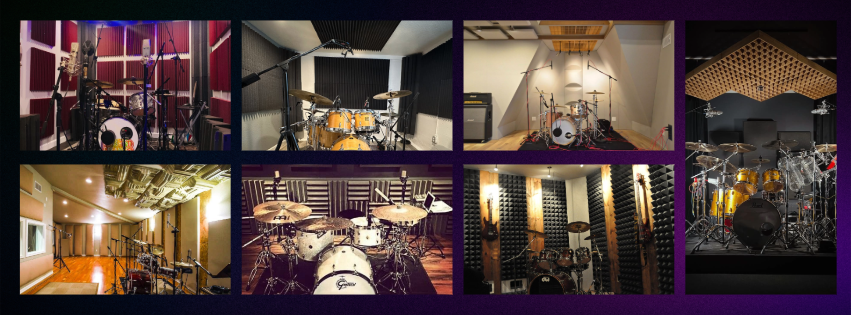
Absorption Panels: Control Excess Reflections
Products from Auralex Acoustics, such as Studiofoam® foam absorbers, AuraPanel™ fabric-wrapped absorbers, and ProPanel™ fiberglass panels, reduce sound reflections by converting some acoustic energy into heat.
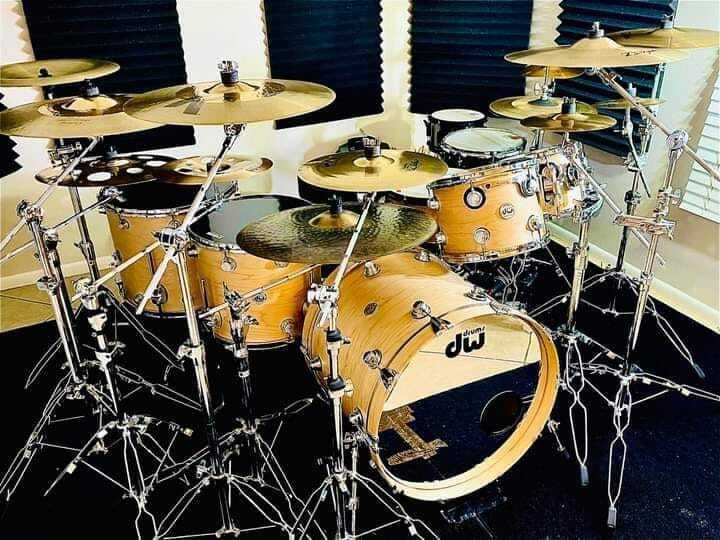

Benefits for drum rooms:
- Reduces flutter echo between parallel walls.
- Controls excessive reverberation, preventing the room from sounding overly "live."
- Improves microphone clarity by reducing early reflections that can smear transients.
- Tames harsh cymbal frequencies, which often dominate untreated rooms.
- Makes monitoring more accurate when listening back to recordings.
Absorption is particularly useful at:
- Side wall reflection points
- Ceiling above the kit ("clouds")
- Rear wall areas
- Corners (using bass traps)
Diffusion Panels: Preserve Life While Adding Control
Diffusers scatter sound energy in many directions rather than absorb it.
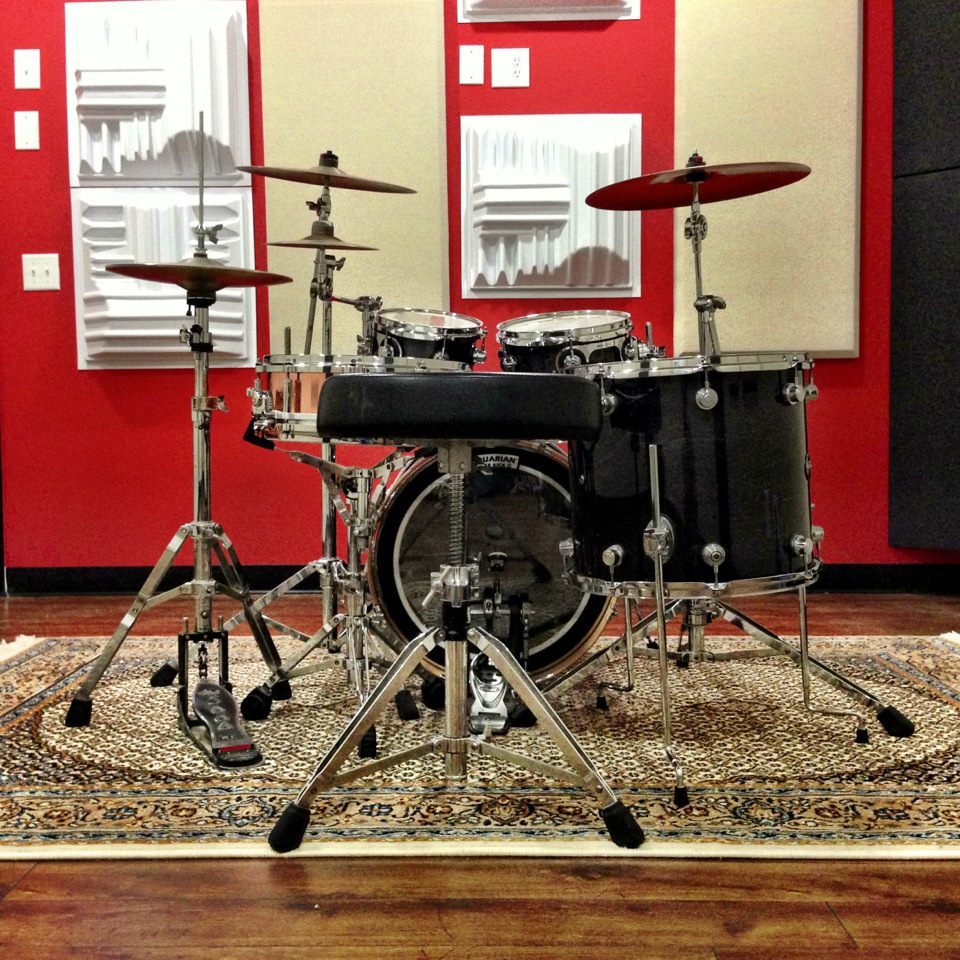
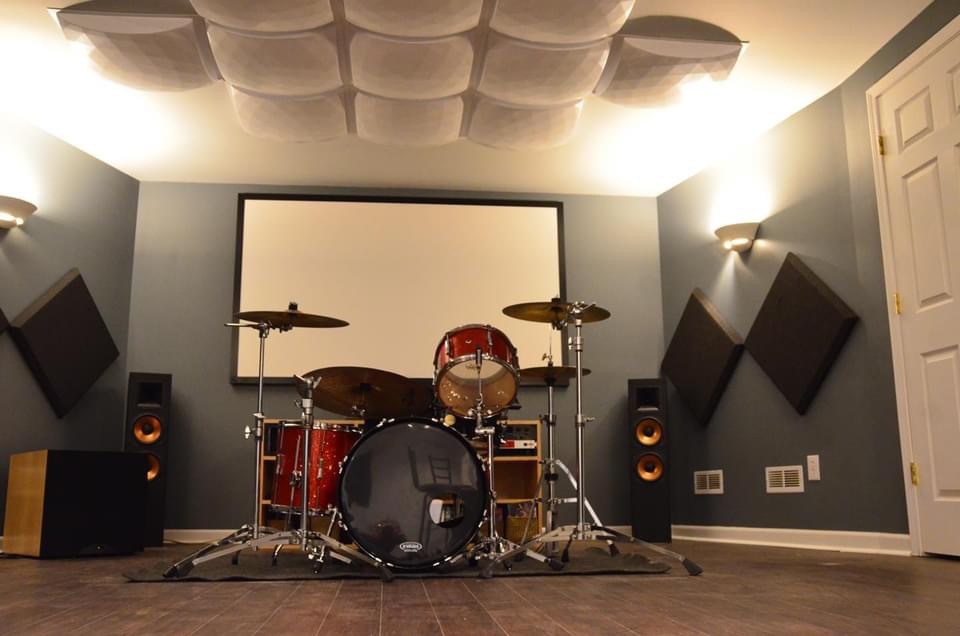
Benefits for drum rooms:
- Maintains a natural sense of space without excessive deadening.
- Reduces strong reflections and standing waves without removing all room ambience.
- Creates a larger-sounding room by spreading reflected energy.
- Produces a more even frequency response throughout the room.
Diffusion is often placed on:
- Rear walls behind the drummer
- High wall areas
- Ceiling area above the kit
- Large untreated surfaces, where absorption would make the room too dead
Why Use Both Together?
A common mistake is covering a drum room entirely with absorption foam. This can leave the room sounding:
- Boxy in the low end
- Unnaturally dead in the highs
- Less inspiring for drummers
A balanced approach is:
- Bass traps in corners.
- Absorption at primary reflection points.
- Diffusion on remaining reflective surfaces.
This combination:
- Preserves the punch and energy of drums.
- Improves recording quality.
- Gives engineers more flexibility when mixing.
- Creates a more professional acoustic environment.
Typical Small Drum Room Strategy
For a small home-studio drum room (e.g., 10×12 ft to 14×16 ft), our room specialists recommend roughly:
- Heavy bass trapping in corners
- 20–40% wall coverage with absorption
- Diffusion on the rear wall and/or ceiling if space allows
The goal isn't to eliminate reflections completely—it's to control them so the drums sound focused, powerful, and natural.